Culture & History
Seoul's Five Palaces: Which One to Visit, and What Closes When
Seoul has five Joseon palaces plus the royal ancestral shrine, and most visitors try to do them all and run out of daylight at the third. Four close on Mondays and two on Tuesdays, so whichever day you pick, something is shut. Two are free. Here is what each one is actually for, and the order that survives contact with a real day.
This article contains affiliate links, marked where they appear. If you book through one we may earn a commission at no extra cost to you — how this works.
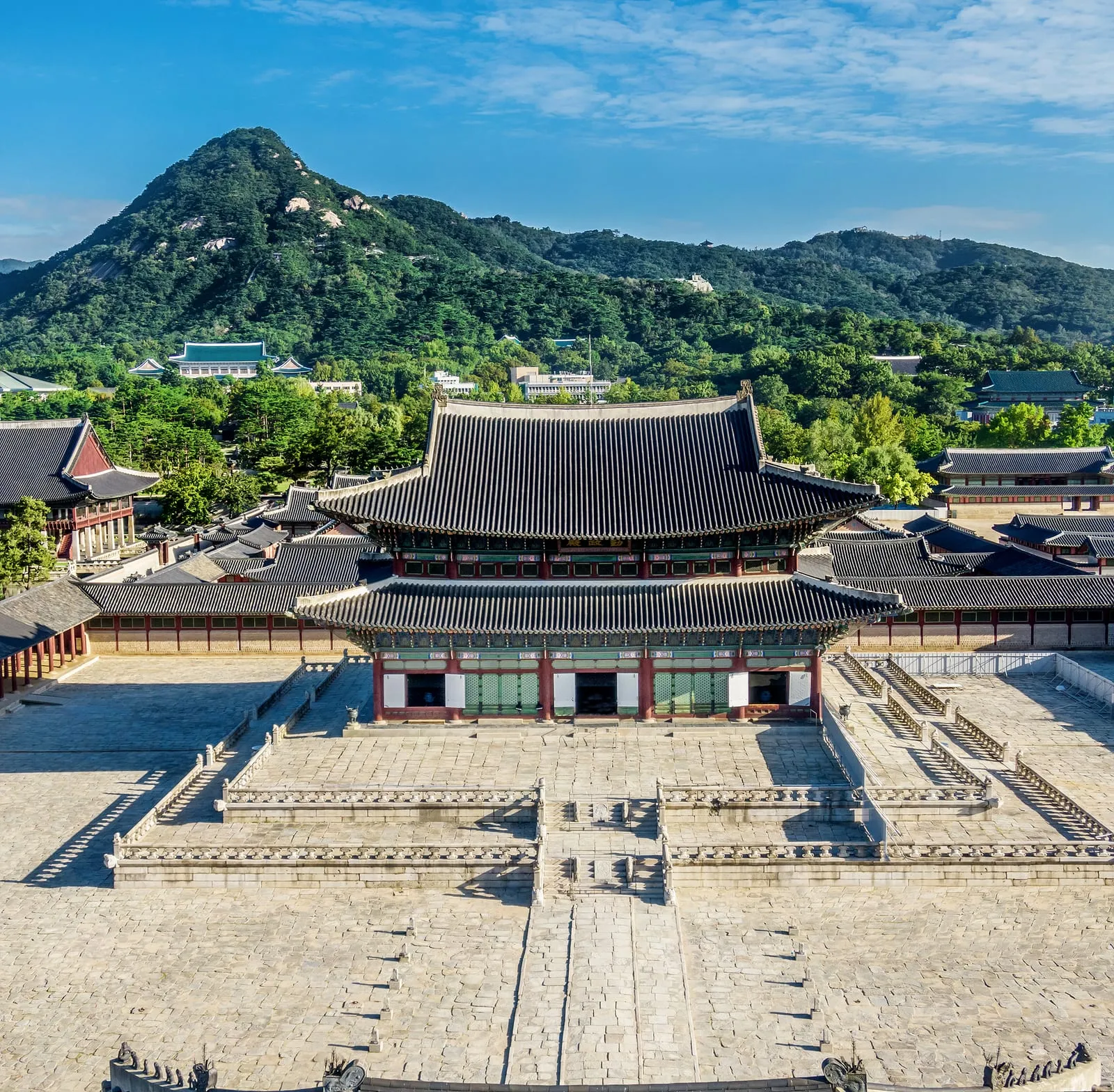
There is a walk in Seoul where you leave a throne hall the size of a football pitch, cross a road, and twenty minutes later you are standing in a garden the same dynasty built to hide in. Another twenty minutes and you are in a courtyard that was a zoo for fifty years. Another twenty and you are in front of a stone building that looks like it was lifted out of Europe, because it nearly was.
Four palaces and a shrine, all inside a forty-minute walk of each other, each one from a different mood of the same six-hundred-year story.
Most first-time visitors intend to see all of them and get through two and a half.
That is not a stamina problem. It is a scheduling one. Four of these sites close on Mondays and two close on Tuesdays, so whichever day you pick, something is shut. And only two stay open past six in the evening, which means the order you walk them decides whether your day ends at a locked gate or in an empty courtyard at dusk.
Here is what each one is, and how they fit together.
The six, in one table
The five palaces (오대궁) are Gyeongbokgung, Changdeokgung, Changgyeonggung, Deoksugung and Gyeonghuigung. Jongmyo is on this list because it belongs on any itinerary that includes them — but it is a shrine, not a palace, and we have kept the distinction.
| Closed | Adult ticket | Open until | |
|---|---|---|---|
| Gyeongbokgung | Tuesdays | ₩3,000 | 17:00–18:30 by season |
| Changdeokgung | Mondays | ₩3,000 (+₩5,000 Huwon) | 17:30–18:30 by season |
| Changgyeonggung | Mondays | ₩1,000 | 21:00 year-round |
| Deoksugung | Mondays | ₩1,000 | 21:00 year-round |
| Gyeonghuigung | Mondays | Free | 18:00 |
| Jongmyo Shrine — a shrine, not a palace | Tuesdays | ₩1,000 | varies |
The combined ticket is ₩6,000 and covers the ticketed sites for six months — worth it from three sites onward. It does not include Changdeokgung’s Secret Garden, which is a separate ₩5,000.
If you are 18 or under, or 65 or over, none of this applies to you: foreign visitors in those age bands get in free. The full list of free categories and the other pass types are in who gets into Seoul’s palaces free.
Gyeongbokgung — the big one
This is the one people picture. It was the primary palace of the Joseon dynasty, it is the largest, and it has the widest ceremonial spaces — Geunjeongjeon’s stone courtyard, the Gyeonghoeru pavilion on its pond, the reconstructed crown prince’s quarters to the east.
It is also the most crowded, and it closes earliest of the five. Both of those argue for going in the morning.
Closed Tuesdays. Last entry is an hour to an hour and a half before closing, depending on season — in winter that means a 16:00 cutoff, which arrives sooner than people expect.
Changdeokgung — the one to slow down in
Changdeokgung was the palace the kings actually preferred to live in, and it shows. Where Gyeongbokgung is laid out on a grid, Changdeokgung follows the hills. Buildings sit where the ground allowed rather than where symmetry demanded.
The Huwon — the Secret Garden behind it — is the reason most people come, and it is the one thing here that needs planning: separate ticket, separate booking, and it sells out fast in spring and autumn. We wrote about that separately.
Closed Mondays. Note that this is the opposite of Gyeongbokgung, which is the single most common planning mistake we see.
Changgyeonggung — the quiet one with the strange history
Smaller, greener, and far less visited than its neighbours. It adjoins Changdeokgung directly, so the two make a natural pair on one walk.
Its modern history is grim in a way worth knowing: during the colonial period it was converted into a zoo and botanical garden, and the name was downgraded from gung (palace) to won (garden). The restoration is relatively recent.
At ₩1,000 it is the cheapest way into a palace in Seoul, and it stays open until 21:00.
Deoksugung — the one that ends the day
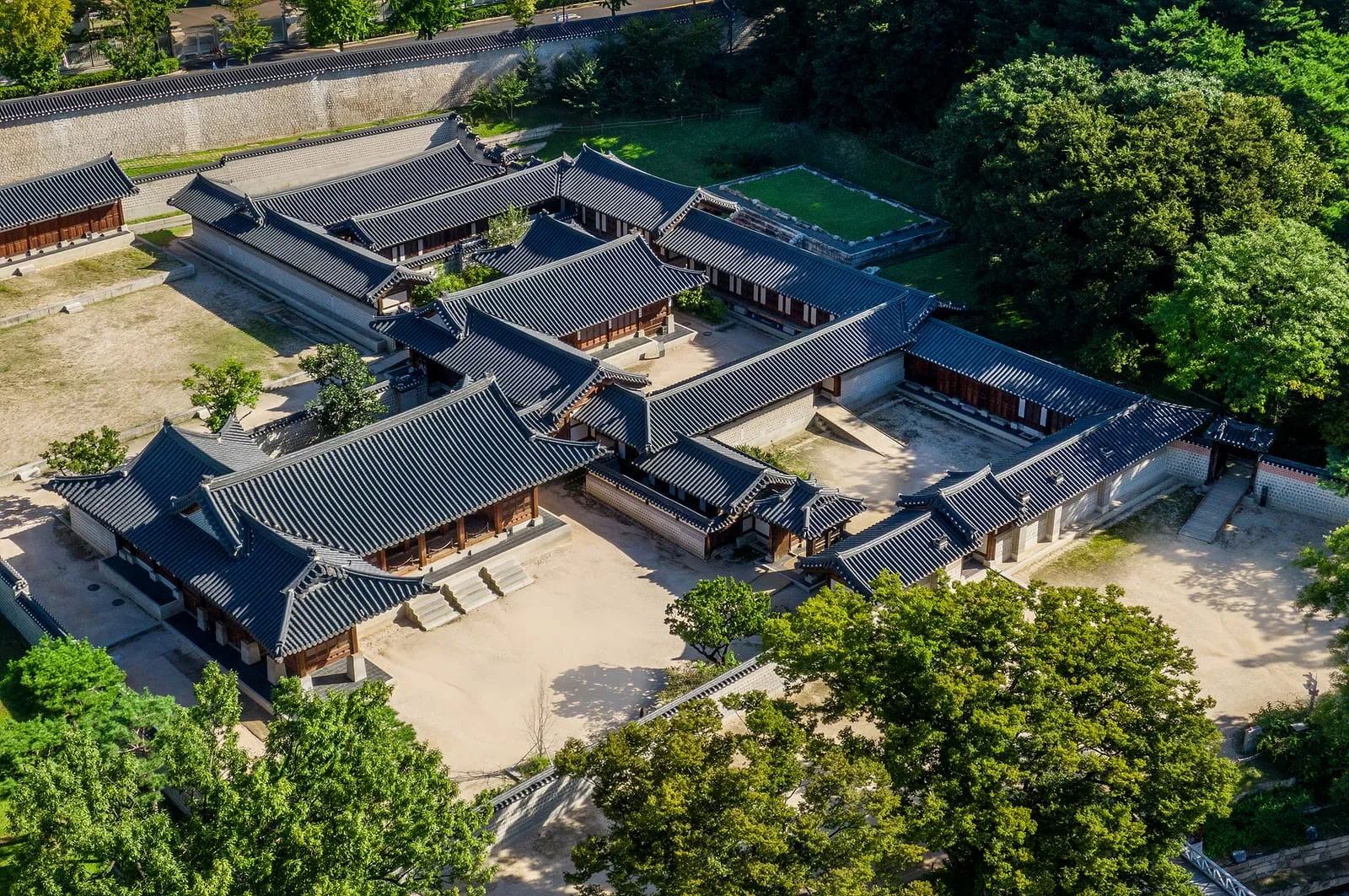
Deoksugung is the smallest of the four palaces and the strangest, because it contains Western neoclassical buildings alongside traditional halls — the result of Korea’s late-nineteenth-century opening. Seokjojeon, the stone hall, looks like it belongs in Europe.
It sits directly on City Hall Plaza, so it is the easiest to reach, and it is open until 21:00. This makes it the natural last stop of a palace day: you arrive when the crowds have gone and the buildings are lit.
Closed Mondays.
Gyeonghuigung — the one that is mostly missing
This is the fifth palace, and the reason most guides quietly leave it out: there is very little of it left.
Built in the early 1600s under Gwanghaegun, it served as the West Palace (서궐) — the secondary seat kings moved to when the main palace was unusable. It was large. Then it was dismantled during the colonial period and a school was built over it, and what stands today is a partial reconstruction opened in 2002.
Admission is free, it is open 09:00–18:00, and it is closed on Mondays and on 1 January. It sits directly behind the Seoul Museum of History, which manages it and which you can walk through to reach it.
Go for the absence rather than despite it. Gyeonghuigung is the only one of the five where you can stand in the middle of a Joseon palace and see how completely a palace can be removed — and it is empty, free and ten minutes from Gwanghwamun.
Jongmyo — the shrine, not a palace
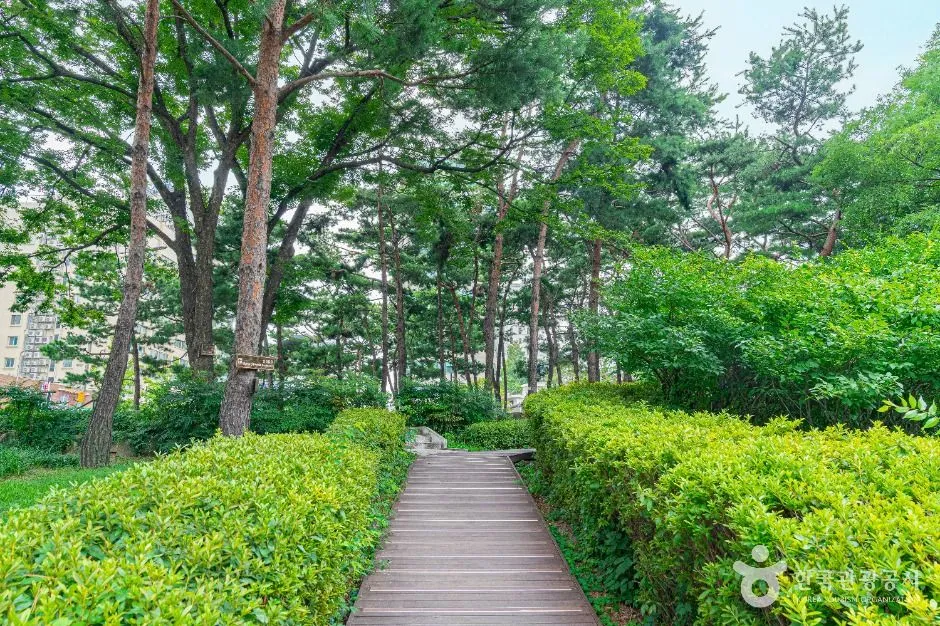
Jongmyo is the royal ancestral shrine, where the spirit tablets of the Joseon kings and queens are kept. It is a UNESCO World Heritage site and it does not look like the palaces at all — one immensely long, low, dark building, almost without ornament, at the end of a stone path.
If the palaces are about power on display, Jongmyo is about power kept quiet. It is the one people are most likely to skip and most likely to remember.
Closed Tuesdays.
The order that works
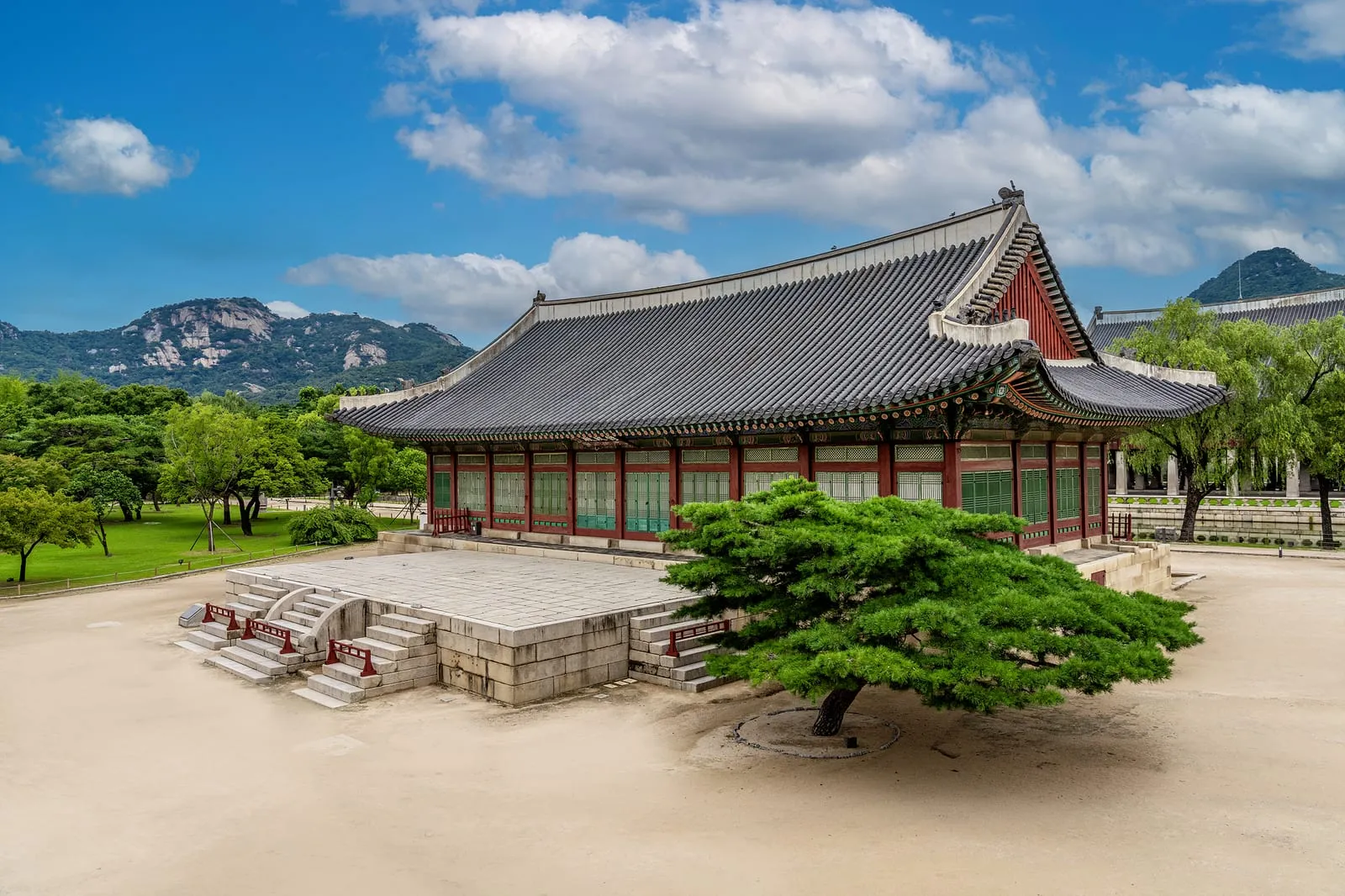
If you go on a Monday — Gyeongbokgung and Jongmyo are open; the other three are shut. Do those two properly rather than rushing.
If you go on a Tuesday — the reverse. Changdeokgung, Changgyeonggung and Deoksugung. This is actually a good day: Changdeokgung and Changgyeonggung adjoin, and Deoksugung stays open late.
Any other day, this order holds up:
- Gyeongbokgung in the morning — largest, most crowded, closes earliest
- Changdeokgung at midday, with the Huwon slot you booked six days ago
- Changgyeonggung straight after, since you can walk between them
- Deoksugung in the evening — open to 21:00, and quiet by then
Jongmyo needs its own slot rather than being squeezed in; it deserves the attention and rushing it defeats the point.
What this article does not claim
Hours and prices are as published by the Royal Palaces and Tombs Center on the date shown above. They change, and seasonal hour bands shift.
We have also not verified guide-tour requirements or reservation rules for Jongmyo, which historically has operated on a timed-entry system. Check the official site before going rather than relying on this page for that detail.
Read next
Book it or find it
Trip.com · Affiliate link — we may earn a commission→Admission for all palaces — Royal Palaces official
Korea Heritage Service · Suggested→
Links marked as affiliate links earn us a commission if you book through them, at no extra cost to you. The rest are official operator and government pages that pay us nothing. We were not paid to write any of this.
Sources & last checked
- Public institution · checked 2026-08-14 관람요금 — 궁능유적본부, 국가유산청
- Public institution · checked 2026-08-14 관람시간 — 궁능유적본부, 국가유산청
- Public institution · checked 2026-08-14 관람코스 — 궁능유적본부, 국가유산청