HANKUKIN Now
Best Time to Visit Korea: A Month-by-Month Calendar
Korea has two genuinely comfortable windows a year, and neither of them is when most people book. This is the whole year on one chart — cherry blossom, the monsoon, the tropical nights, autumn colour and snow — built from the meteorological agency's own seasonal reports rather than from vibes.
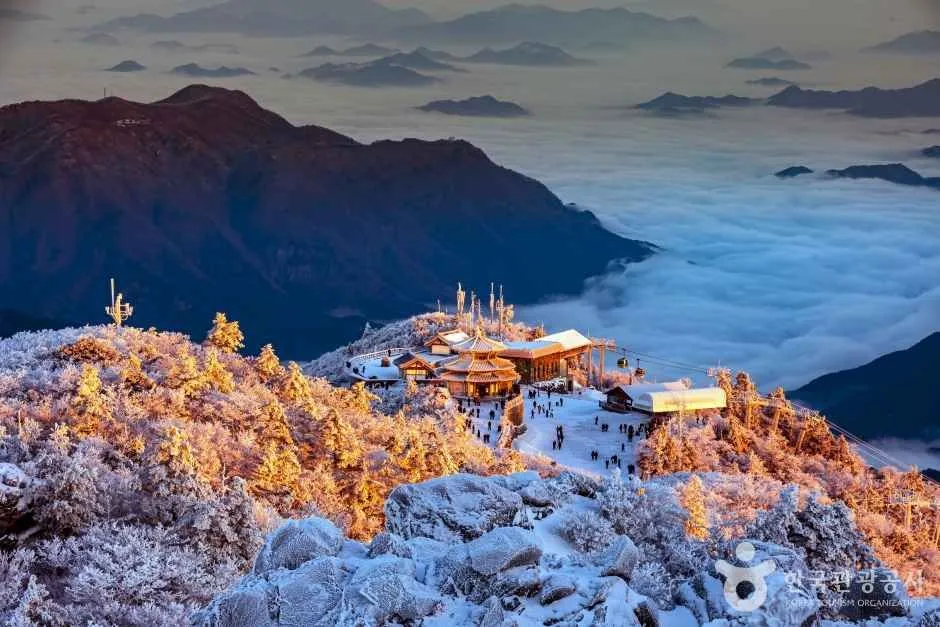
Most people book Korea for cherry blossom or for autumn colour, and both are real. But the honest answer to “when should I come” is a shape rather than a date, and the shape has two comfortable windows in it.
Here is the whole year at once.
The two-minute version
Come in May, or come in October. Those are the two windows where the temperature is mild, the humidity is low, and there is neither a monsoon nor a freeze. Koreans know it, which is why domestic travel and outdoor weddings cluster in exactly those weeks.
October is the better of the two if you want scenery, because autumn colour lands inside it. May is the better one if you want to avoid crowds, because the blossom rush is over and the summer holidays have not started.
The window everyone books is late March to mid-April, for cherry blossom. It is worth it — but understand that you are buying a one-week event per city, not a season.
The window to avoid, if heat is a problem for you, is mid-July to late August. This is the only genuinely difficult stretch of the Korean year.
Month by month
January — the coldest month and the best month for snow. Roughly around freezing in Seoul, colder with the wind. Snow falls on the west and south-west rather than where you would guess. Bathhouses, markets and palaces all work in this weather.
February — still winter, snow thinning towards the end. Lunar New Year falls in late January or February and moves the whole country for a few days; transport books out.
March — the pivot. Cold in the first half, and then in the last week of the month cherry blossom opens on Jeju and the south coast. Seoul is still bare.
April — blossom reaches Seoul in the first half, and is gone within about a week of arriving. The second half of April is one of the pleasantest stretches of the year and hardly anybody plans for it.
May — the first comfortable window at its best. Warm, dry, long daylight. Green rather than colourful, which is why it is under-booked.
June — comfortable until roughly the third week, then the monsoon (장마) arrives. June 2025 averaged 22.9°C nationally, a record, so “early summer is mild” is doing less work than it used to.
July — the hardest month. The monsoon runs into late July and the heat overlaps it. What falls is not cooling rain; it is humidity. Tropical nights — nights that never drop below 25°C — begin.
August — hot and humid, and the nights are the problem rather than the days. Seoul recorded 46 tropical nights in 2025, the most since records began in 1908. This is also peak Korean domestic holiday, so the coast is full and expensive. Cities invert: outdoors after sunset, indoors at midday.
September — the heat breaks somewhere in the middle of the month, later than visitors expect. Chuseok (the harvest holiday) moves dates each year and shuts a great deal for several days.
October — the best month in the Korean year. Dry, mild, and autumn colour begins in the north-east mountains in the last week.
November — colour sweeps south; Naejangsan peaks in the first week and Seoul’s ginkgo avenues turn shortly after. Cold arrives in the second half.
December — winter, but the weakest snow month of the three more often than people expect. December 2025 produced just 1.7 cm nationally, the fifth-lowest on record, because it was warm enough to fall as rain.
The two things the calendar cannot tell you
Holidays move. Lunar New Year (설날) and Chuseok (추석) both follow the lunar calendar, so they land on different Gregorian dates each year. Both are multi-day national holidays during which intercity transport sells out, a lot of small businesses close, and the cities empty while the roads jam. Check the dates for your year before booking anything.
Blossom and foliage dates are forecast annually. Cherry blossom forecasts are issued in early spring, foliage forecasts in September. Neither is fixed. The calendar above shows you the window inside which the forecast will land, not the forecast itself.
Choosing by what you want
| If you want | Come | And read |
|---|---|---|
| Cherry blossom | Late March (south) to mid-April (Seoul) | The bloom window |
| The best weather, fewest compromises | Late April to early June, or October | This page |
| Autumn colour | Late Oct (north-east) to mid-Nov (south) | Where and when it peaks |
| Snow | January, and go west or south-west | Where the snow actually falls |
| Beaches and valleys | July and August, accepting the heat | How hot it gets |
| Fewest other tourists | Late February, or late November | — |
One planning rule worth more than the calendar
Pick the month for the weather, then pick the destination for the month.
Visitors usually do this in the other order — they decide on Seoul and Busan and Jeju, then find a date. Korea punishes that, because the country is small enough that a bad month is bad everywhere, and varied enough that a good month has an obvious best destination attached.
If your dates are fixed and they fall in the difficult window, the answer is not to cancel. It is to go where that month is good — the East Sea coast and the mountain valleys in August, the south-west in November, the west coast in January.
What this article does not claim
“Easiest weather” is our judgement, not an official designation. We drew those two bands from the KMA’s temperature, humidity and precipitation figures. No Korean agency publishes a “best time to visit” band, and we are not pretending otherwise.
Every band on the chart is approximate and moves annually. The monsoon’s onset shifts by weeks. The 2025 monsoon was shorter than normal with fewer rain days. Bloom and foliage dates move by several days each year. This is a chart of the pattern, not a chart of your year.
The figures behind it come from the seasons we have already documented, and each linked article states its own limits — including which numbers are one exceptional year (2025 was the hottest summer on record) rather than a normal.
We have not covered typhoons. Korea is affected by typhoons mainly between July and September, they vary enormously year to year, and we have not sourced figures we are confident enough to chart.
We have not covered fine dust (미세먼지), which is a real seasonal factor in spring, for the same reason — it deserves its own article with its own sources rather than a band on a chart.
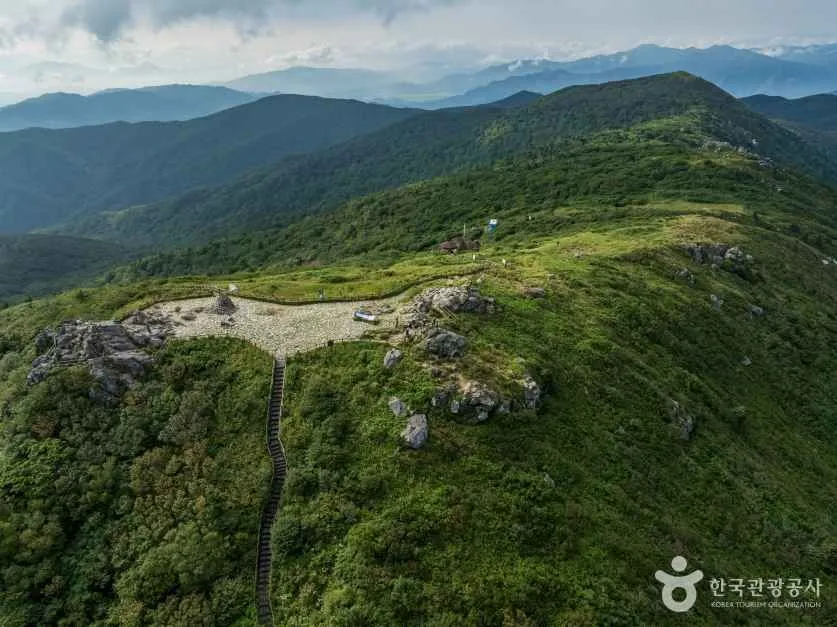
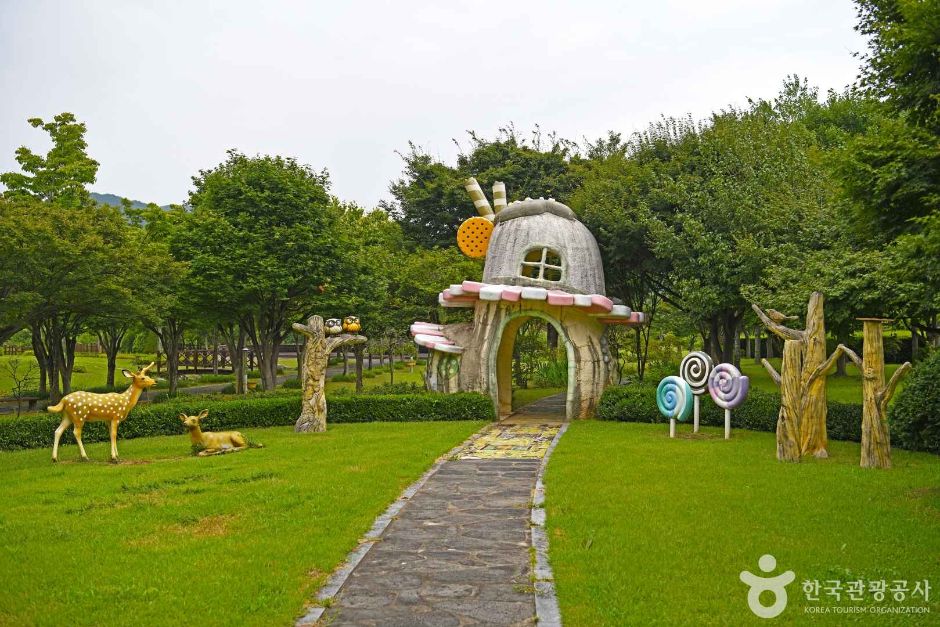
Neither photograph on this page shows the season it is placed near. They are Deogyusan in summer and Naejangsan out of season, both labelled as such.
Read next
Sources & last checked
- Public institution · checked 2026-08-15 [2025년 여름철 기후특성] 폭염-호우 반복 — 기상청 보도자료 (2025-09-04)
- Public institution · checked 2026-08-15 [2025년 겨울철 기후특성] 2년 연속 겨울철 강수량 평년의 절반 수준 — 기상청 보도자료
- Media · checked 2026-08-15 산림청 단풍 절정 예측 — 설악산 25일·속리산 27일 (2025년 가을)